
It’s a century since the birth of Frei Otto (1925-2015), the German structural engineer and architect and one of the pioneers of the new, lightweight style of highly technical architecture that was to dominate public buildings, event spaces, spans and stadiums from the 1970s onwards.

Frei Otto on the gridshell of the German Pavilion at Expo 67 in Montreal, 1966
Who is architect and engineer Frei Otto?
Frei Otto: Building with Nature looks back at Otto’s life and career, with special emphasis on the designer’s exploration of large-scale, lightweight structures. These days, Otto’s legacy is pretty much cemented by the dramatic landscape of the Munich Olympic Park, started in 1968 and completed for the 1972 Games. The tented structures, some of which ring the tiered seating of the Olympiastadion, co-designed with Günther Behnisch, were inspired by Alpine vistas.

Munich Olympic Park, complete model by Frei Otto, May 1968
Behnisch had been switched on to Otto’s work by the dramatic forms of the West German Pavilion at Expo 67 in Montreal. Characterised by his intense study of plant structures and geometry, Otto’s biomechanical forms predated the digital age and the widespread use of CAD design. Instead, the method of choice was model making, and the book is awash with imagery of these detailed, structurally precise, scale models that helped Otto determine how materials would perform.

Frei Otto with the model for the roofing of the Olympic Park’s swimming hall, Munich, c. 1970
In Otto’s view, lightweight architecture meant minimising a structure’s impact on the environment, not just physically but also in terms of use of materials and energy. It was the heyday of high tech’s association with what were once left-field concerns but are now mainstream architectural thought. Awarded the Pritzker Prize in the week of his death, Otto’s contribution to the sustainability debate can’t be overstated.

Visualisation of the climate shell for the City in the Arctic, model photo
Projects include Montreal and Munich, as well as Otto’s own house and Atelier near Stuttgart (completed in 1971), the Multihalle exhibition centre in Mannheim (1975) and many more, along with unbuilt projects and schemes.

Frei Otto in his Warmbronn atelier, c. 1969
'Frei Otto: Building with Nature,' edited by Joaquín Medina Warmburg and Anna-Maria Meister, Prestel, £50, available through Prestel.com
-
 Messika’s fluid jewellery is given a textural twist
The Parisian brand borrows a textural finish previously reserved for high jewellery with its new collection, ‘Move Ciselé’
-
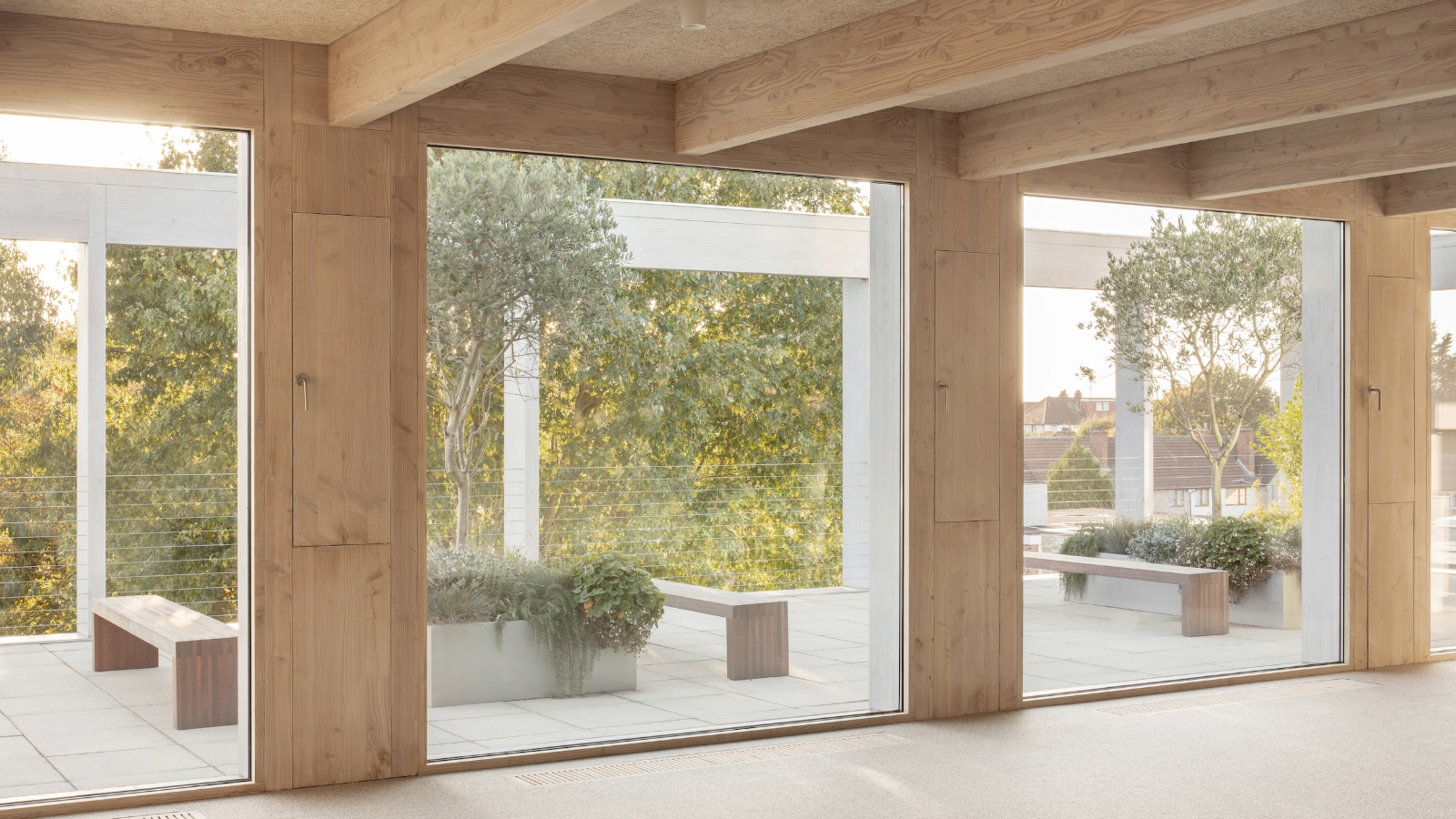 This ingenious London office expansion was built in an on-site workshop
New Wave London and Thomas-McBrien Architects make a splash with this glulam extension built in the very studio it sought to transform. Here's how they did it
-
 The bespoke Jaguar E-Type GTO melds elements from every era of the classic sports car
ECD Automotive Design’s one-off commission caters to a client who wanted to combine the greatest hits of Jaguar’s E-Type along with modern conveniences and more power


-
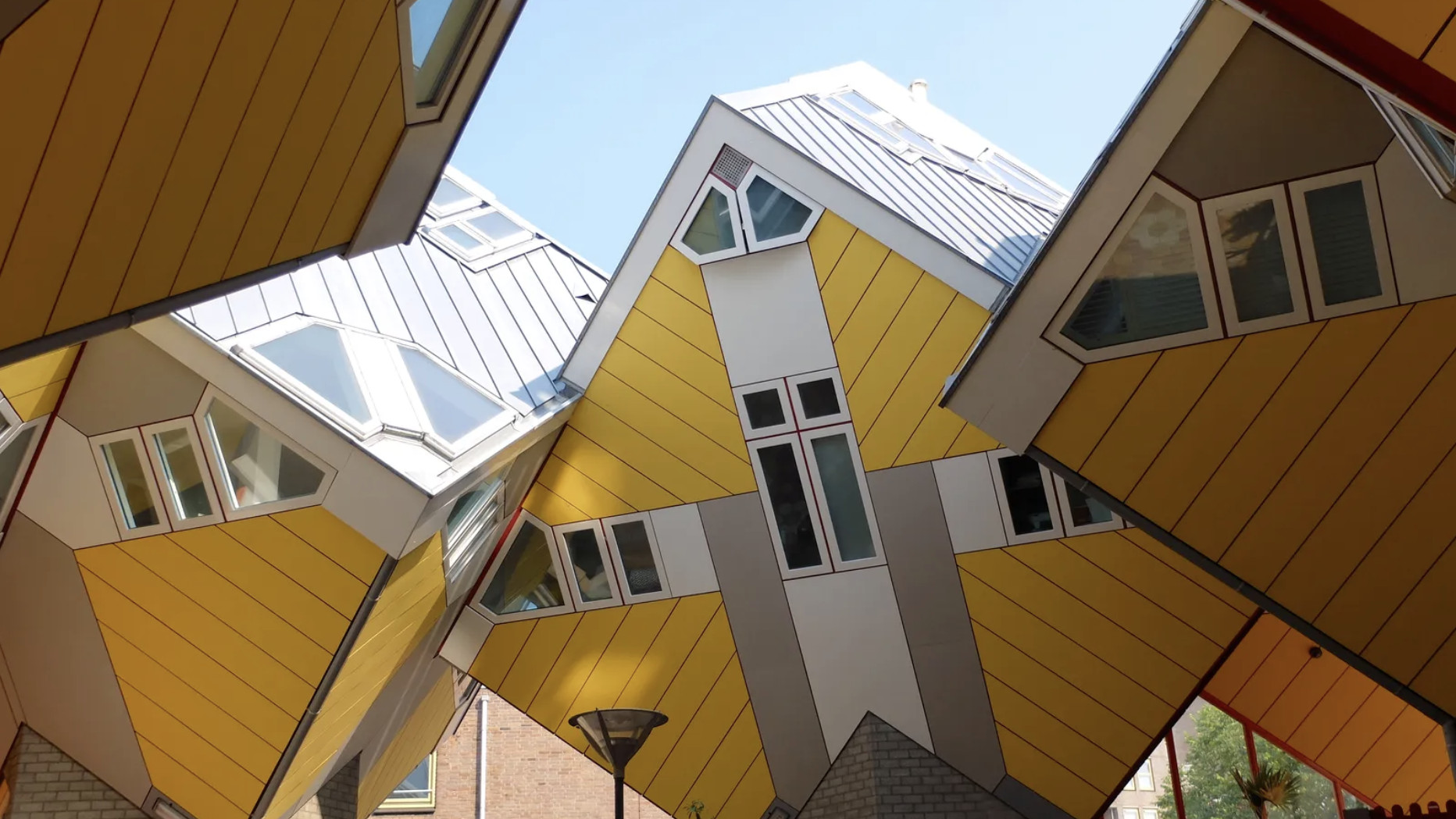 Modernist Travel Guide: a handy companion to explore modernism across the globe
‘Modernist Travel Guide’, a handy new pocket-sized book for travel lovers and modernist architecture fans, comes courtesy of Wallpaper* contributor Adam Štěch and his passion for modernism
-
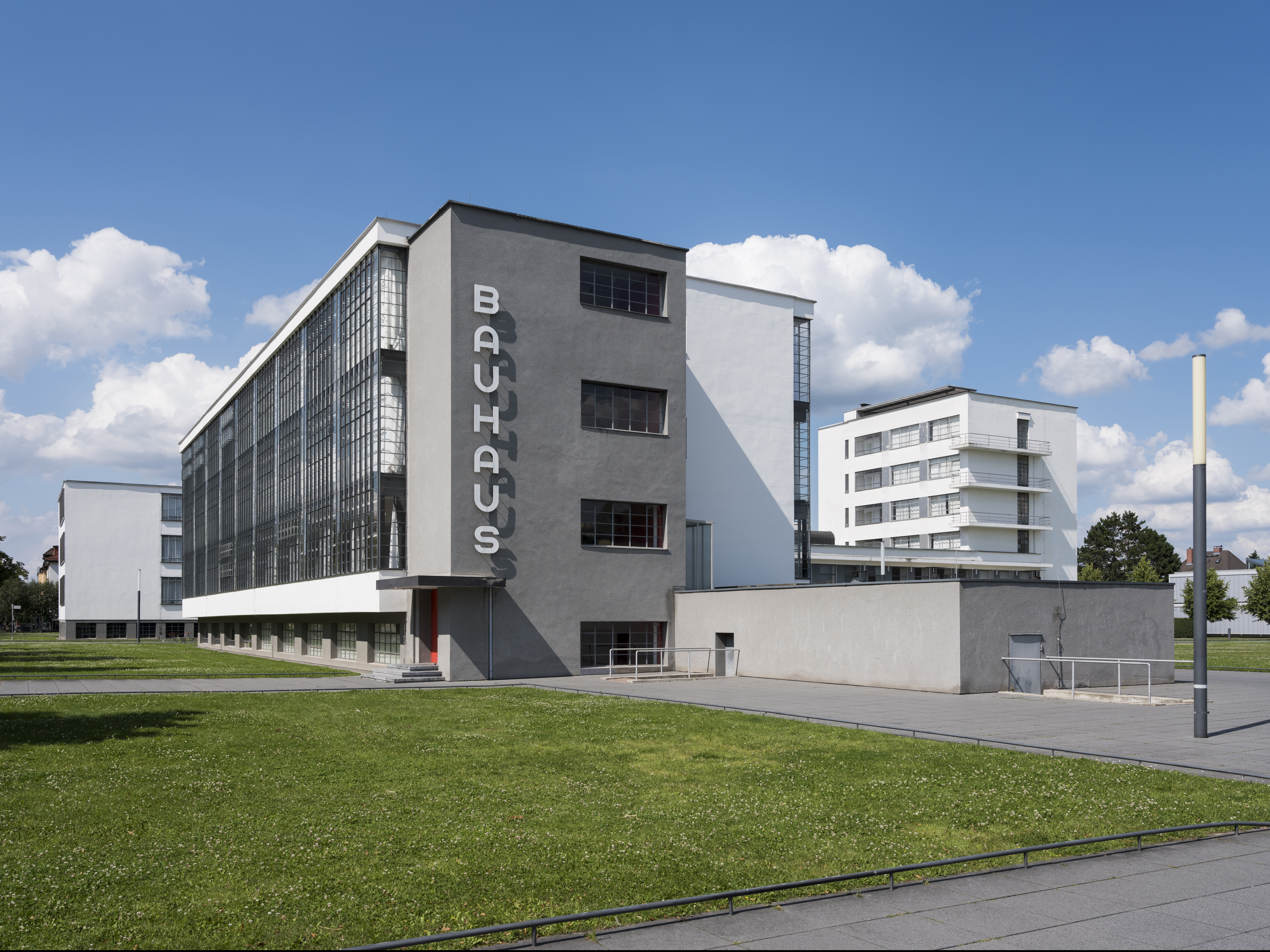 What is Bauhaus? The 20th-century movement that defined what modern should look like
We explore Bauhaus and the 20th century architecture movement's strands, influence and different design expressions; welcome to our ultimate guide in honour of the genre's 100th anniversary this year
-
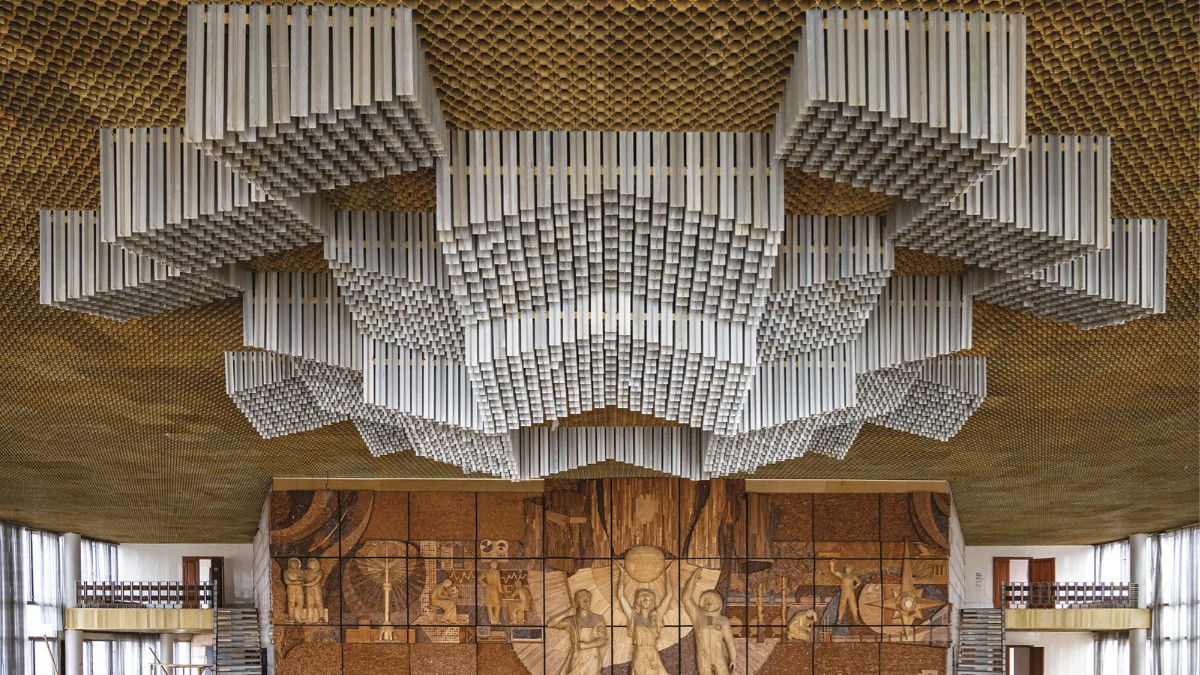 Ukrainian Modernism: a timely but bittersweet survey of the country’s best modern buildings
New book ‘Ukrainian Modernism’ captures the country's vanishing modernist architecture, besieged by bombs, big business and the desire for a break with the past
-
 New book 'I-IN' brings together Japanese heritage and minimalist architecture at its finest
Japanese architecture studio I-IN flaunts its expert command of 21st-century minimalism in a new book by Frame Publishers
-
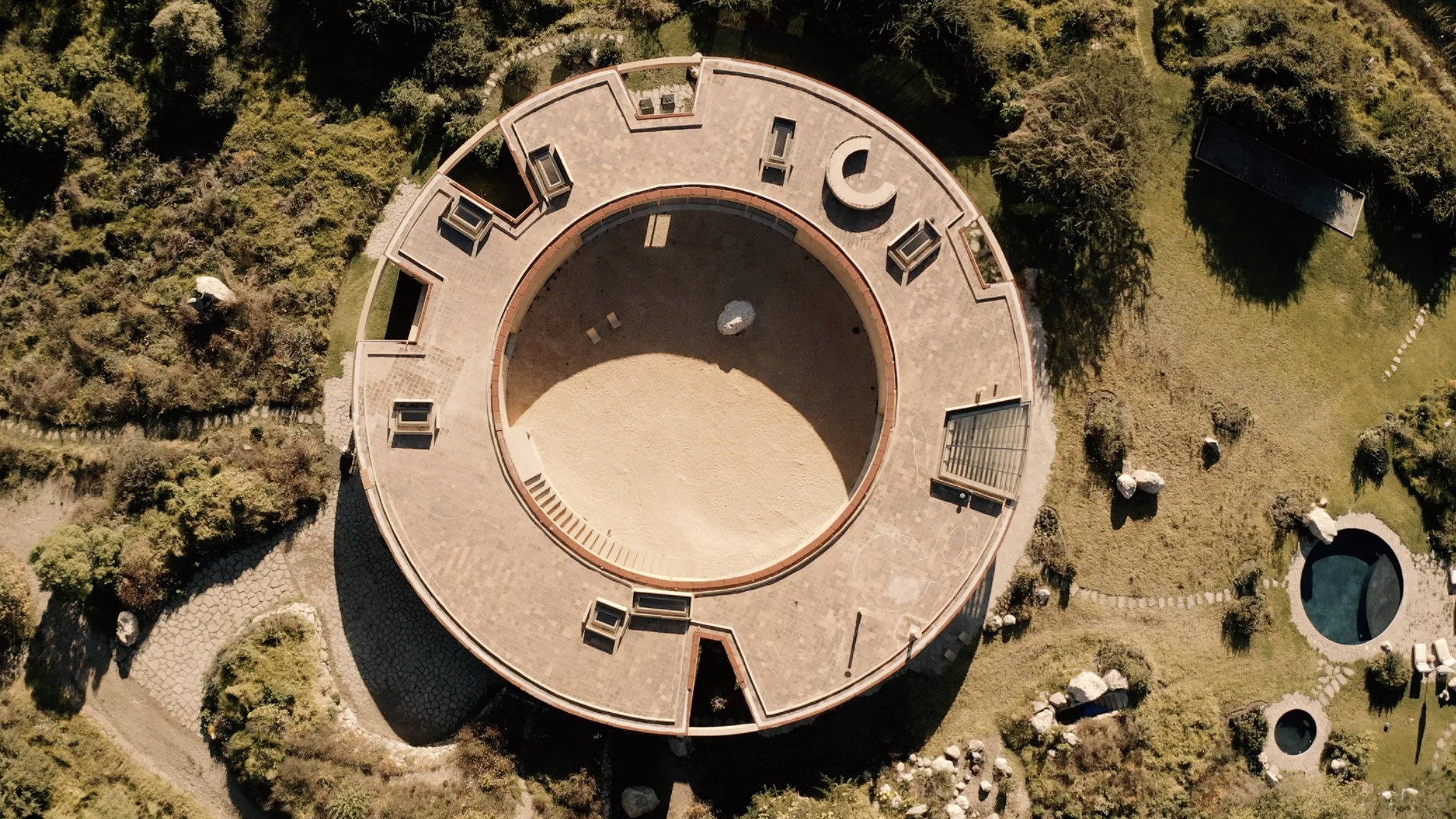 Tour the wonderful homes of ‘Casa Mexicana’, an ode to residential architecture in Mexico
‘Casa Mexicana’ is a new book celebrating the country’s residential architecture, highlighting its influence across the world
-
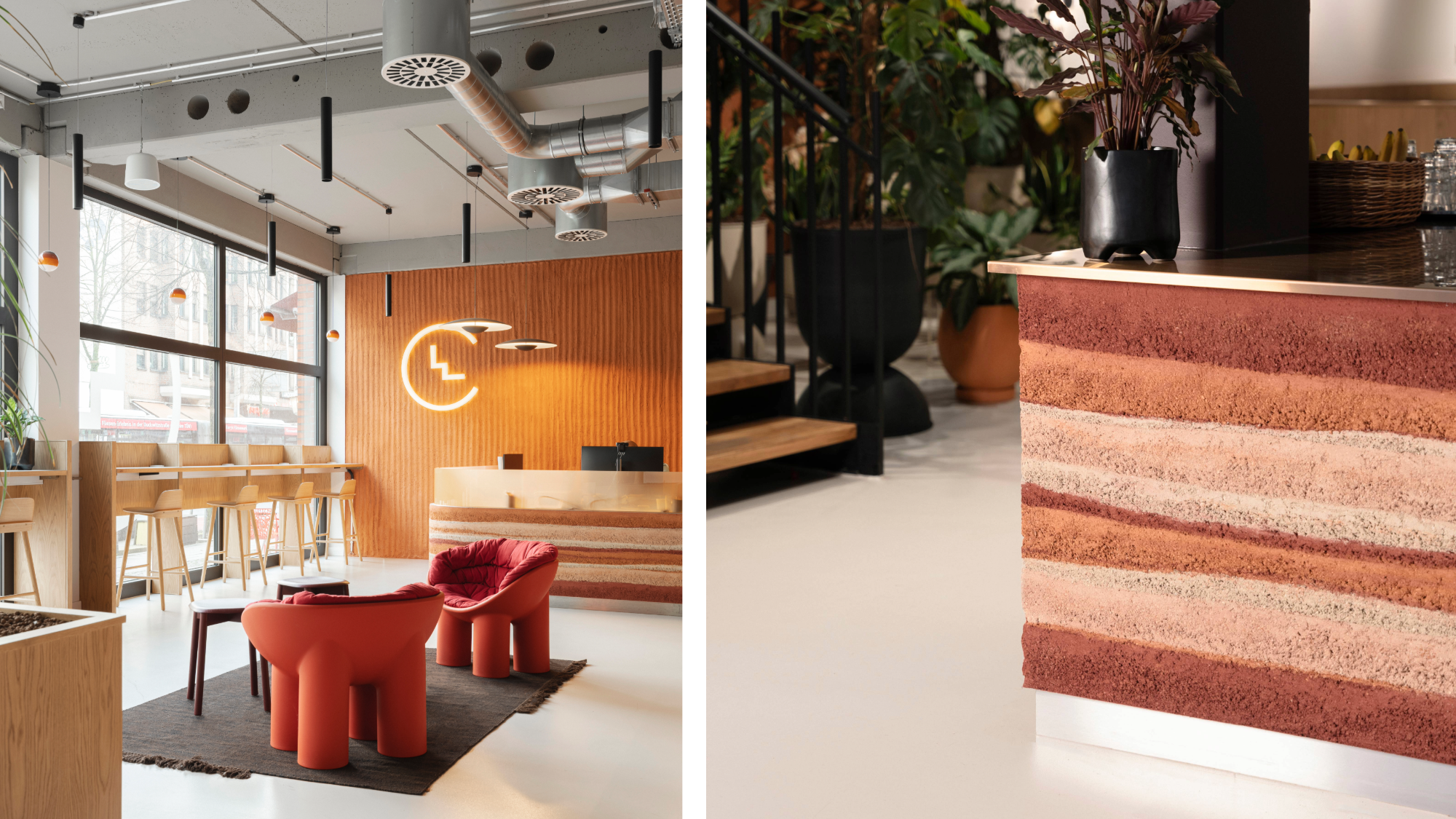 Step inside Clockwise Bremen, a new co-working space in Germany that ripples with geological nods
Clockwise Bremen, a new co-working space by London studio SODA in north-west Germany, is inspired by the region’s sand dunes
-
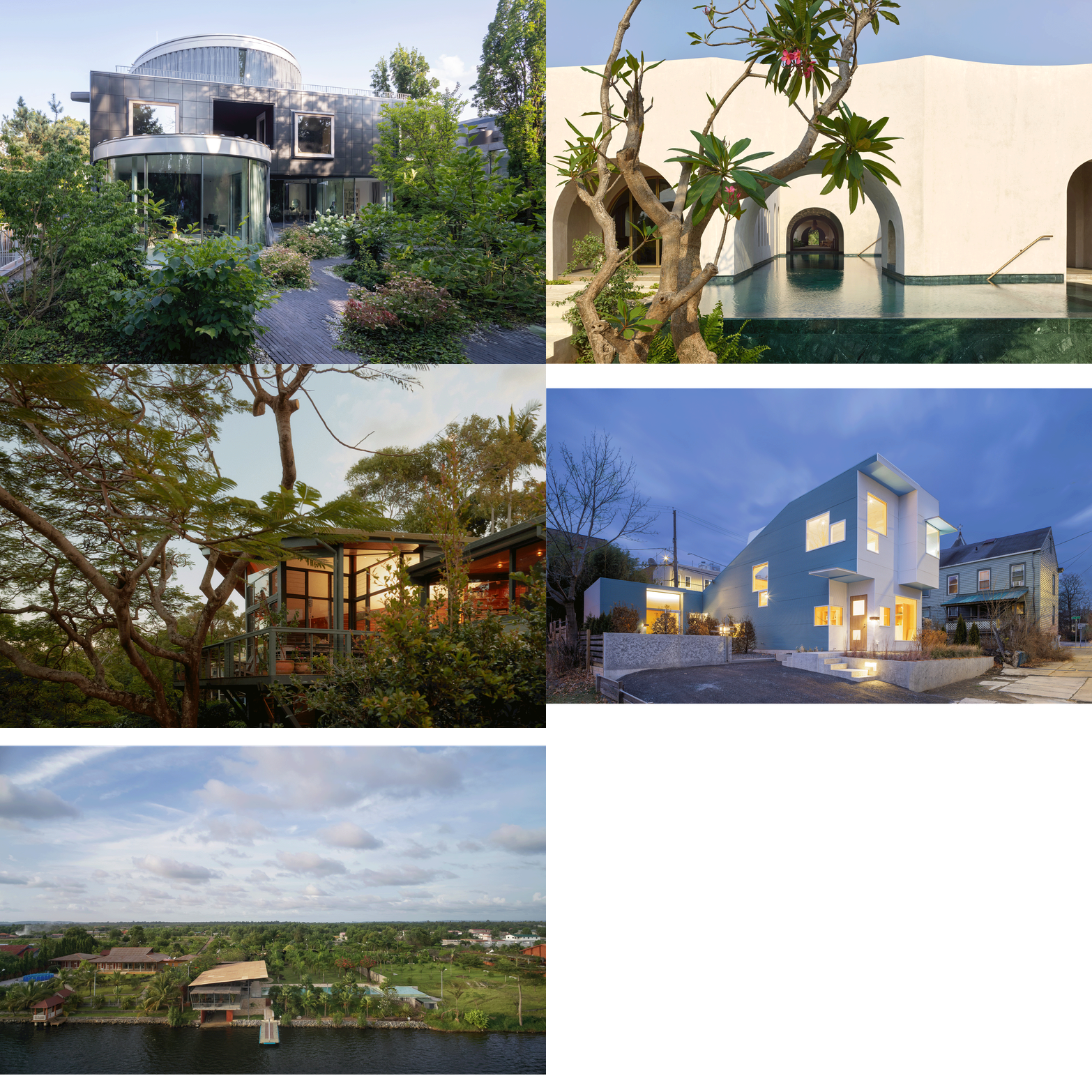 Join our world tour of contemporary homes across five continents
We take a world tour of contemporary homes, exploring case studies of how we live; we make five stops across five continents
-
 A weird and wonderful timber dwelling in Germany challenges the norm
Haus Anton II by Manfred Lux and Antxon Cánovas is a radical timber dwelling in Germany, putting wood architecture and DIY construction at its heart


